

New: booklet of lessons learned
 11 February 2026
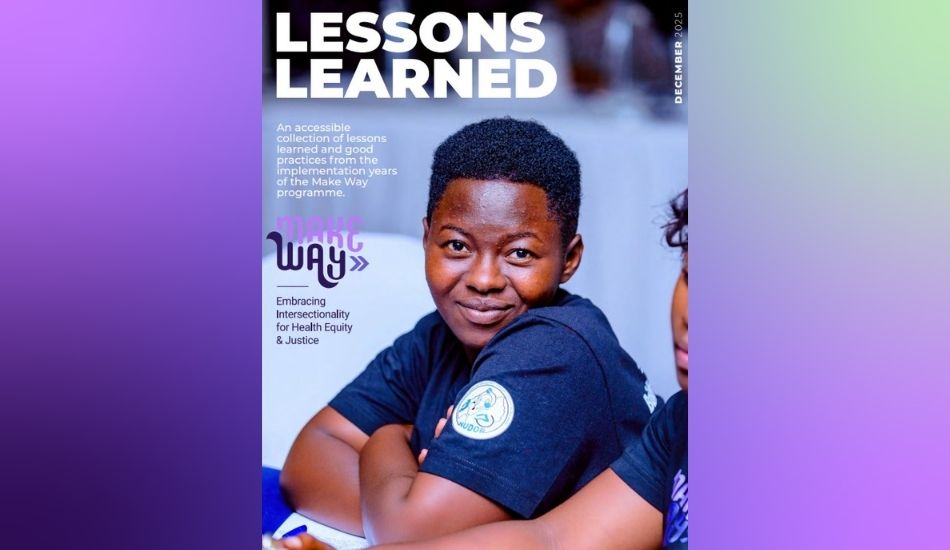
This booklet features a collection of insights and best practices from the implementation years of the Make Way programme (2020-2025).
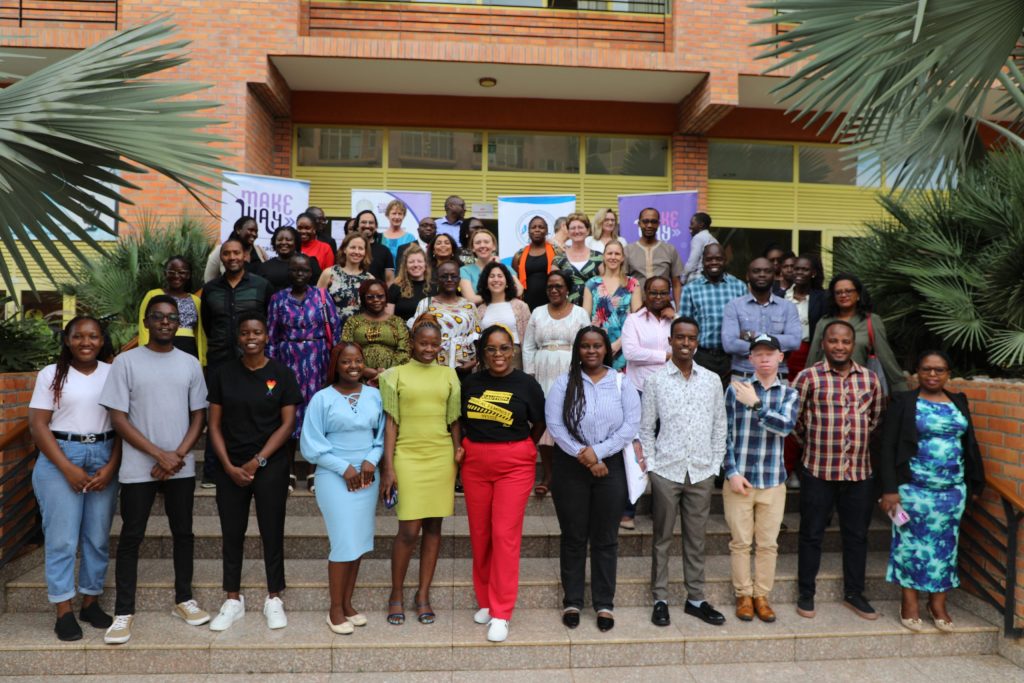
Annual reflection meetings in Kigali, Rwanda, 2024.
We are pleased to publish our Make Way booklet of lessons learned. It features a collection of insights and best practices from the implementation years of the programme (2020-2025). In 2020, Make Way set out to break down barriers to sexual and reproductive health and rights (SRHR) by applying an intersectional lens. Now, five years later, we are proud of the broad impact we made, as this booklet shows. We thank all partners who contributed to this impressive publication!
The booklet captures our journey in building advocacy capacity for SRHR in which the comprehensive Make Way toolkit that we developed, played an essential role. We used the toolkit to share knowledge on intersectionality and build practical skills. The toolkit contains, among others, the Intersectional Community Scorecard that stimulates dialogue between youth, health workers, and duty bearers about SRHR needs and services; the Intersectionality-Based Policy Analysis that helps assess whether policies take the needs of all people into account; and the See-Judge-Act-Tool that facilitates dialogue about SRHR using religious stories.
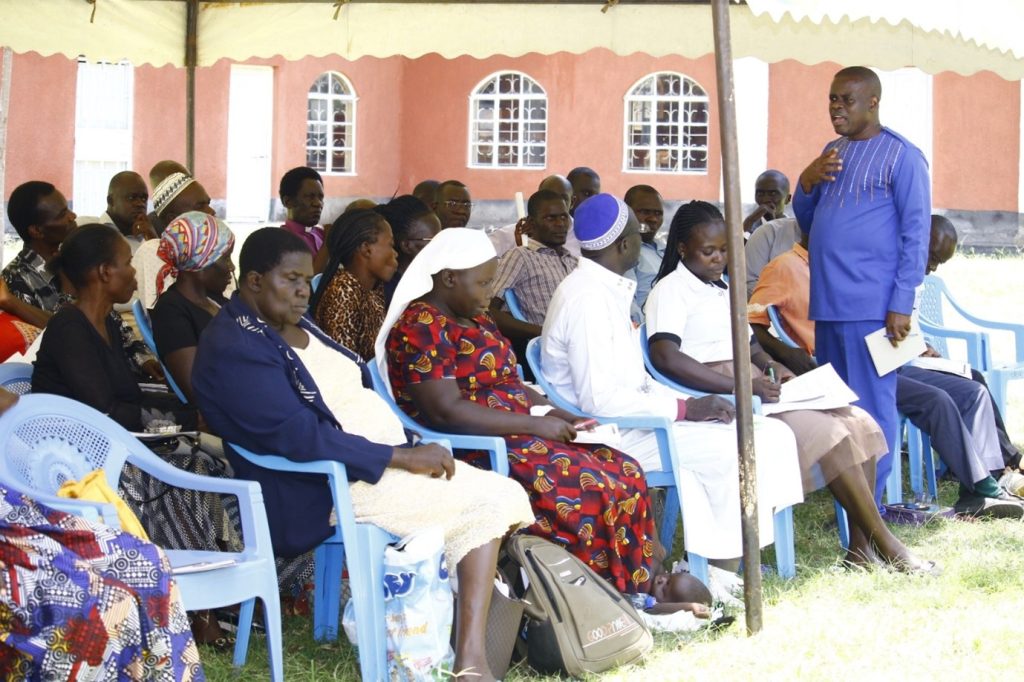
Facilitating a session with religious leaders, using the See-Judge-Act tool..
The booklet also shows how we used innovative approaches, such as meaningful youth engagement and faith-based dialogues, ensuring inclusivity throughout the programme. With our international communication campaign, #SeeMe, we reached over 4 million impressions, helping to get our messages across to policymakers, civil society organisations, advocates, governments and donors.
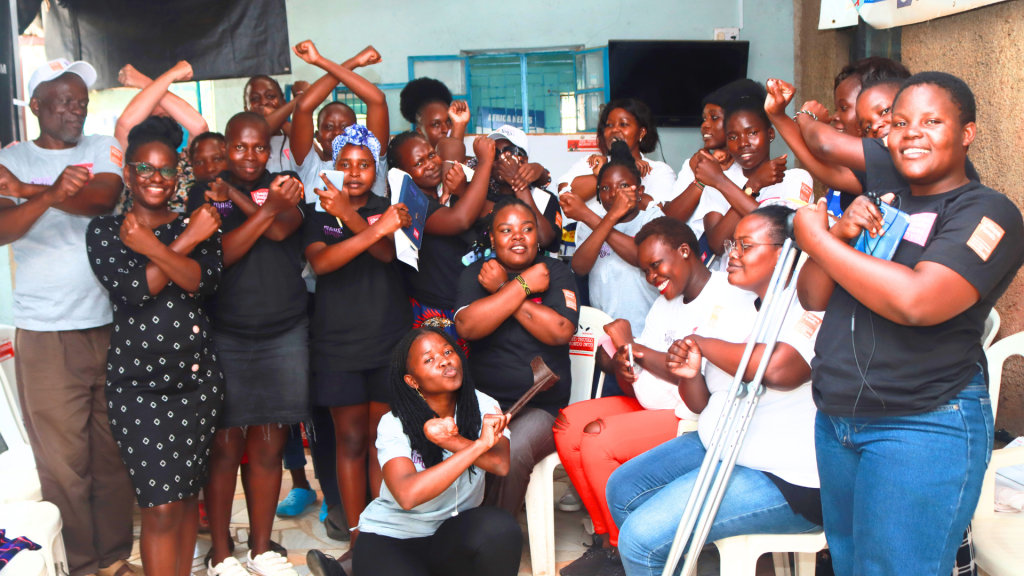
Young girls at a safe space.
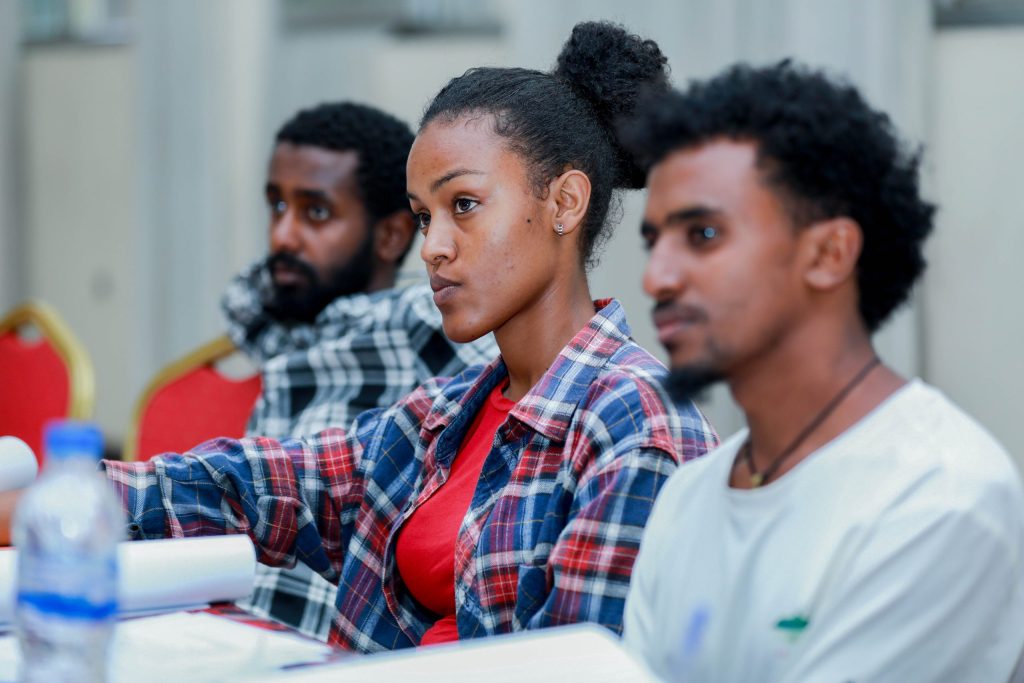
Dialogue session with service providers in Ethiopia.
Importantly, the booklet also presents some of the concrete results that we achieved with the programme. For example, expanded access to SRH services for youth with disabilities, increased budget allocations for SRH services, and a stronger UN Political Declaration on Universal Health Coverage thanks to global level advocacy.
All in all, we are grateful for the many people – partners, youth and community leaders – who contributed to the programme over the years. We look forward to exploring further opportunities to continue the essential work that Make Way has initiated, to truly leave no one behind.
Have a look at the booklet.